Make a Small Kids Room Feel Bigger: Space-Saving Tips
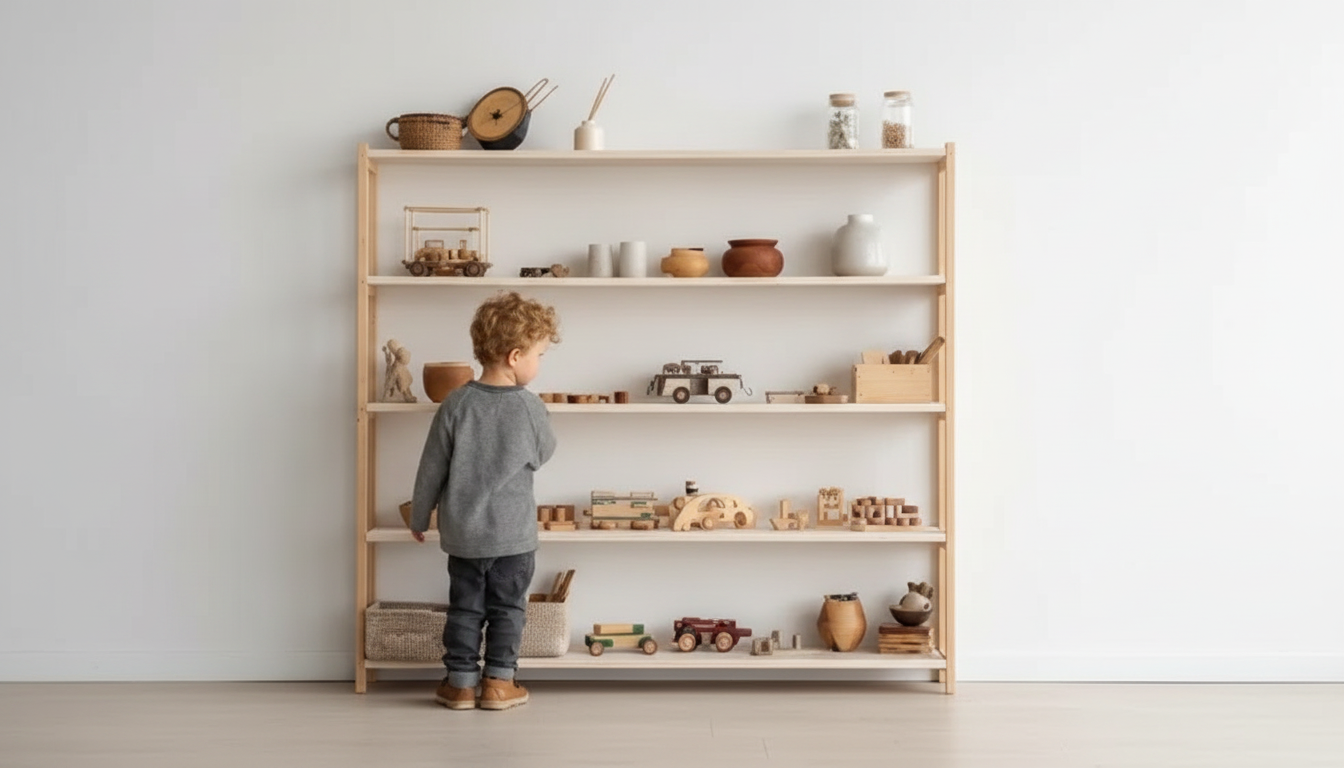
How to make a small kids room feel bigger?
A small kids room can feel surprisingly spacious when the floor is clear, the walls stay visually calm, and storage does more than one job. The goal is to reduce “visual clutter” (too many small items in too many places) while keeping daily routines easy for kids and parents.
Start with a fast declutter to open up space
The quickest way to make a room feel larger is to remove what doesn’t belong. Pull out anything that’s broken, outgrown, or never used, then corral the rest into a few defined categories (books, blocks, dolls, art supplies). For a practical, kid-friendly reset you can repeat often, use this kids room declutter checklist and 30-minute reset plan.
Use storage that goes vertical (and hides the mess)
In tight rooms, the walls are valuable real estate. Add a tall bookcase, wall shelves, or over-the-door organizers to get items off the floor. Choose bins with lids or uniform baskets so the eye reads “one clean unit” instead of dozens of tiny pieces.
Pick furniture that does double duty
Swap bulky pieces for multi-use options: a bed with drawers, a storage bench, or a narrow dresser that can double as a changing station or display surface. If possible, keep one large open zone for play; it makes the entire room feel bigger even if the actual square footage stays the same.
Lighten the look with color and layout tweaks
Stick to a simple color palette and limit bold patterns to one area (like bedding). Hang curtains high and wide to visually “stretch” the window. A mirror can bounce light and create depth, and a single larger rug often looks less busy than several small ones.
Make cleanup effortless for kids
Label bins with pictures, keep favorite toys within reach, and store occasional items up high. When cleanup is fast, floors stay clear—and clear floors are the secret to a bigger-feeling room.
FAQ
How do you declutter kids’ toys fast without making a bigger mess?
Use a simple timer and a three-bin method: keep, donate, trash. Start with the floor, then surfaces, and finish by putting “keep” items into a few broad categories so they’re easy to return later.







Leave a comment