Make an Empire Waist Dress More Flattering: Fit Tips
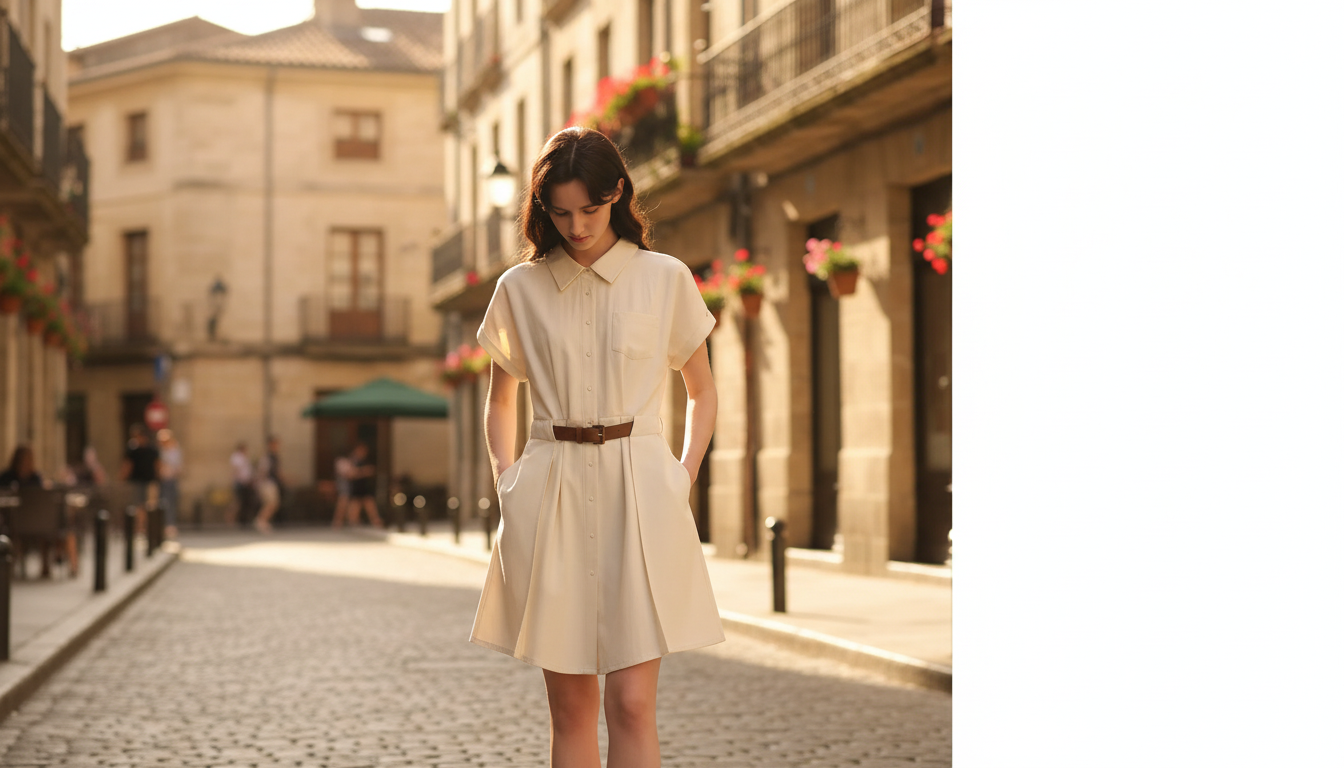
How to make an empire waist dress more flattering?
An empire waist dress can look especially flattering when the focus stays on the narrowest part of your upper torso and the rest of the outfit flows with intention. Start by choosing the right neckline for your proportions: a V-neck or square neckline often creates a longer, cleaner line through the chest and collarbone, while a sweetheart neckline can add softness and shape. If you prefer more coverage, a scoop neck can still feel balanced as long as it doesn’t sit too high and shorten the neck.
Next, pay attention to where the seam hits. The most flattering empire seam typically sits just under the bust, not on it. A seam that’s too high can look constricting, while one that’s too low may blur the waist definition. Look for light shaping details such as princess seams, subtle darts, or a structured bodice—these add polish without making the dress feel tight.
Fabric choice matters as much as cut. If you want a smoother silhouette, opt for materials with a bit of drape and weight (like crepe, satin-backed fabric, or a lined chiffon) rather than very clingy knits. For a more refined look, avoid overly bulky gathers directly under the bust; gentle pleats or a controlled A-line skirt tends to skim more cleanly.
Styling finishes the effect. A cropped jacket, fitted cardigan, or short blazer that ends near the empire seam emphasizes the intended waistline and adds structure. Shoes also influence proportions: pointed-toe flats, nude-toned heels, or a low vamp sandal can visually lengthen the legs—especially helpful if the skirt is midi or tea length. If you’re adding a belt, choose a thin one placed at the empire seam (not at the natural waist) so the dress keeps its signature line.
For more outfit ideas and fit tips, visit this complete guide on making an empire waist dress more flattering.
FAQ
What shoes look best with an empire waist dress?
Pointed-toe flats, nude heels, or slim-strap sandals tend to elongate the leg line and keep the look light. Match the shoe style to the dress length—sleeker shoes usually pair best with flowy skirts.








Leave a comment