Make an Indoor/Outdoor Cat Indoor-Only: Step-by-Step
How to make an indoor outdoor cat indoor only?
Switching an indoor/outdoor cat to indoor-only works best when it’s done gradually, with plenty of enrichment and a predictable routine. The goal is to replace the “job” the outdoors provided—hunting, exploring, sunbathing, and territory patrol—with safe indoor alternatives your cat actually wants to use.
Step-by-step: transitioning your cat to indoor-only
1) Pick a transition window and tighten the schedule
Start by bringing your cat in before dusk and keeping them inside overnight, then extend indoor time each day. Feed meals at consistent times (instead of free-feeding) so your cat begins associating being indoors with reliable rewards.
2) Make indoors more interesting than the door
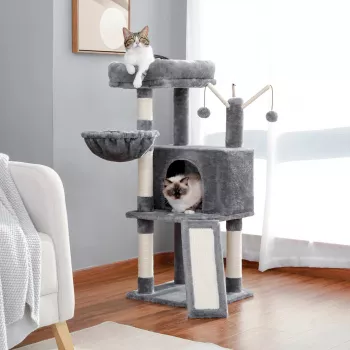
Add vertical spaces (cat trees, shelves, window perches) and rotate toys so they feel “new.” Schedule two to three short play sessions daily using wand toys to mimic prey: stalk, chase, pounce, then end with a small meal or treat to satisfy the hunt cycle.
3) Create “outside” experiences safely
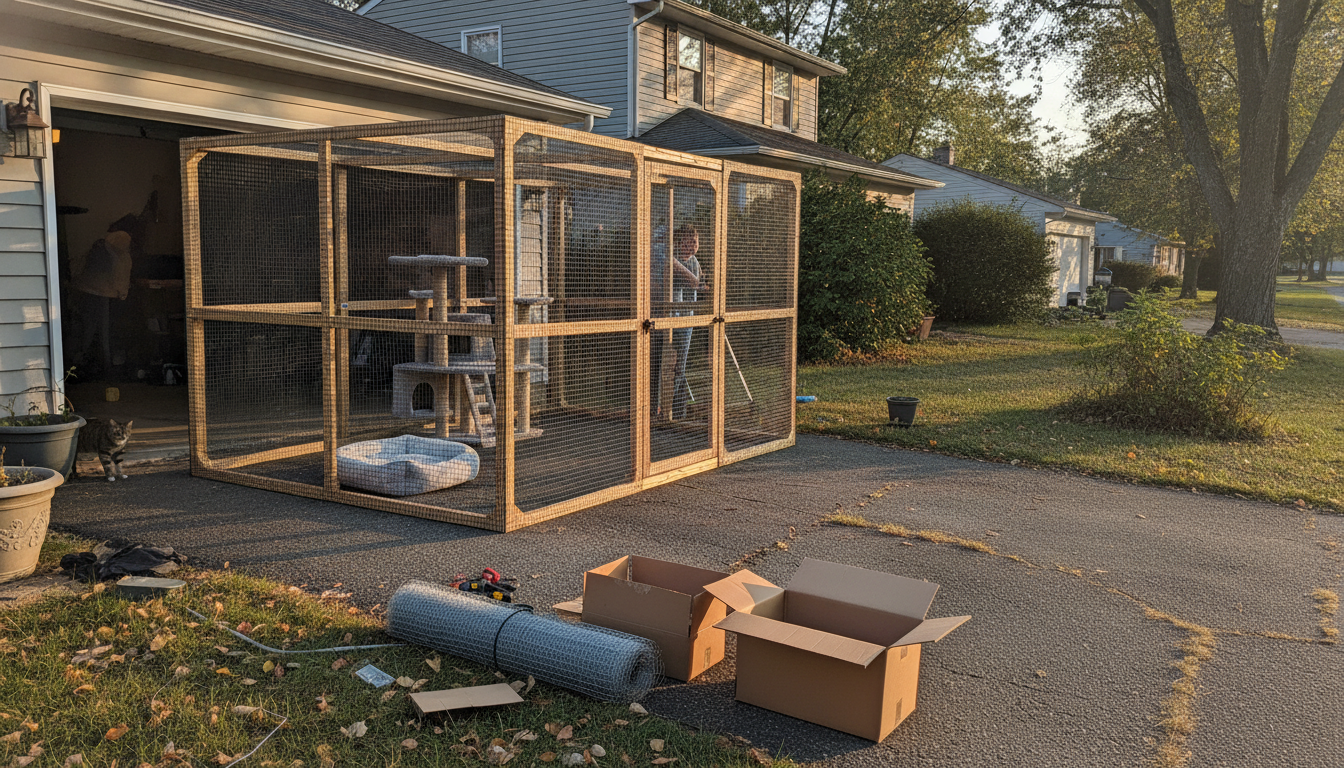
If your cat begs to go out, offer a controlled alternative: harness training with short walks, a secure catio, or supervised time on an enclosed porch. Even a screened window perch with bird feeders placed outside can provide stimulating views.
4) Reduce door-dashing and frustration
Use a double barrier at exits (baby gate, closed hallway door, or a small “airlock” entry) and redirect your cat to a perch or treat station before you open the door. Avoid chasing—calmly lure them away with a toy or treats.
5) Keep stress low and health support high
Provide multiple litter boxes (often one per cat plus one extra), fresh water stations, and scratching posts in key areas. If yowling, spraying, or aggression persists, talk with a veterinarian about anxiety, pain, or behavior support.
For a deeper, detailed walkthrough (including common setbacks and how to handle them), visit How to Make an Indoor Outdoor Cat Indoor Only.
FAQ
How can I stop my cat from yowling at the door?
Increase structured play before peak “outdoor time,” then feed a small meal to help your cat settle. Block visual access to the door area if needed and reward quiet behavior at a designated mat or perch away from the exit.










Leave a comment