Soap vs. Lotion Dispenser: Pump, Output & Viscosity
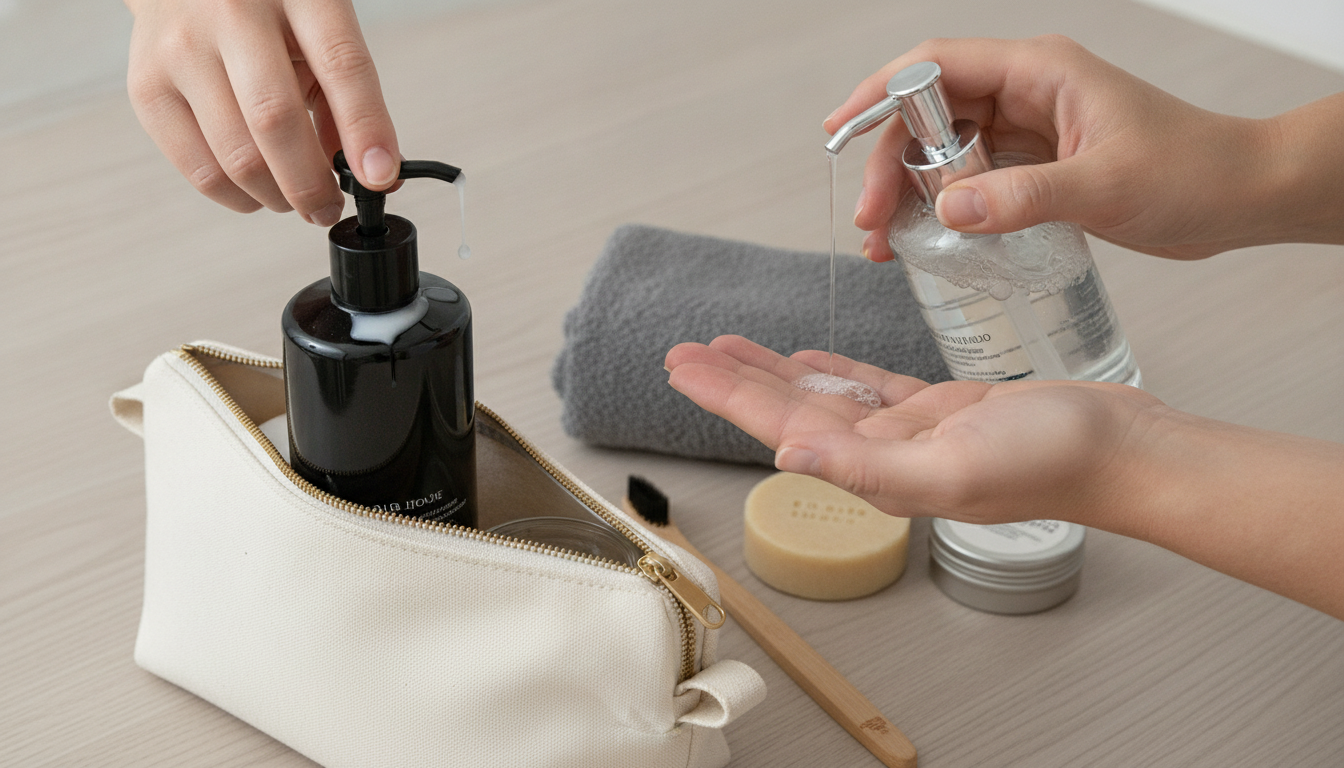
Is there a difference between a soap dispenser and a lotion dispenser?
Yes—while they can look similar on a countertop, soap dispensers and lotion dispensers are typically built for different product thicknesses and dispensing needs. The biggest differences come down to pump mechanism, output amount, and how well the dispenser handles viscosity (how thin or thick the liquid is).
What makes a soap dispenser different?
A soap dispenser is usually designed for thinner liquids like hand soap, dish soap, or sanitizer. Because these formulas flow easily, the pump and dip tube can be narrower, and the dispenser can deliver a smaller, controlled dose without clogging. Many soap pumps are optimized to prevent drips and to reset quickly between presses—useful in busy kitchens and bathrooms.
What makes a lotion dispenser different?
Lotion dispensers are commonly made for thicker products such as hand lotion, body lotion, conditioner, and some creamy soaps. To handle higher viscosity, they often use a sturdier pump that can push denser product through the spout. The nozzle opening may be wider, and the pump may dispense a slightly larger amount per press to reduce repeated pumping.
Can you use one dispenser for both?
Sometimes, but results vary. Putting lotion into a standard soap dispenser can lead to slow dispensing, clogging, or a pump that won’t fully rebound. Using a lotion-style pump for soap generally works better, though it may dispense more product than needed and feel messy if the soap is very runny. If you like to refill containers, choosing a “multi-use” dispenser specifically rated for soaps and lotions is a safer bet.
How to choose the right dispenser for your space
Start with what you’re dispensing most often. For kitchens, a soap dispenser with an anti-drip spout and easy one-hand operation is usually ideal. For bathrooms, a lotion dispenser with a reliable, higher-output pump can be more convenient—especially in dry seasons when lotion use goes up. Also consider neck size and compatibility if you’re swapping pumps on existing bottles.
For a deeper breakdown of pump types, viscosity considerations, and practical buying tips, visit the main guide on soap vs. lotion dispensers.
FAQ
What type of pump works best for thick products like body lotion?
A lotion pump with a sturdier spring and wider pathway typically works best because it’s designed to push thicker formulas without clogging. Look for pumps marketed for lotions, conditioners, or “high-viscosity” liquids.







Leave a comment