Soap Dispenser Problems: Clogs, Leaks, Weak Pumps
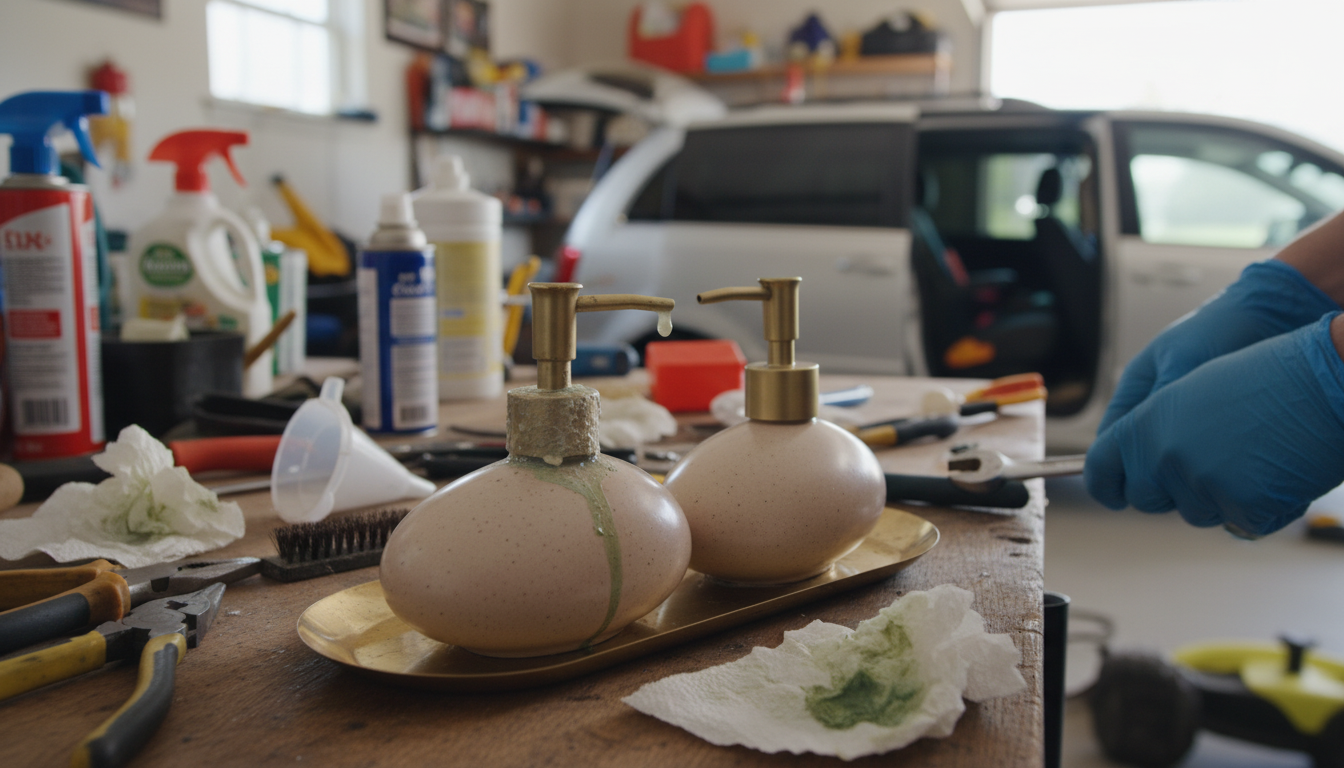
What are common problems with soap dispensers?
Soap dispensers seem simple, but a few repeat issues can make them messy or unreliable. The most common problems involve clogging, weak or inconsistent dispensing, leaks, and sensor or pump failures. Many of these issues come down to the soap type used, residue buildup, air in the pump, or worn seals.
Clogging and buildup
Thick hand soap, lotions, or soaps with added moisturizers can leave residue that narrows the nozzle over time. Dried soap crystals at the tip are also a frequent culprit, especially in low-use bathrooms. When the outlet is partially blocked, the dispenser may sputter, dispense too little, or stop working altogether.
Weak pump action or inconsistent output
Manual pumps can lose prime after refills, leading to multiple presses before soap comes out. Air trapped in the tube, a misaligned pump head, or a tube that’s cut too short can all cause inconsistent amounts. With automatic models, low batteries or a partially blocked pump can mimic a “weak pump” by reducing flow.
Leaking at the base or around the collar
Leaks are often caused by a worn gasket, a cracked bottle, or a loose collar where the pump screws in. Over-tightening can damage threads or warp seals, while tipping the dispenser or storing it on an uneven surface can encourage drips. For countertop units, even a small leak can create a slick ring of soap that attracts grime.
Sensor and power issues (automatic dispensers)
Automatic soap dispensers commonly fail due to dead batteries, corroded contacts, or a dirty sensor window. Bright sunlight, reflective sinks, or splashes on the sensor can trigger false activations. If the motor runs but no soap comes out, the internal pump may be clogged or the intake tube may be blocked.
Soap compatibility problems
Foaming dispensers require foaming soap (or properly diluted soap, depending on the model). Using regular liquid soap in a foaming unit can cause jams, overflow, or poor foam quality. Conversely, overly diluted soap in a standard pump can drip or feel watery.
For a deeper breakdown and practical troubleshooting tips, visit https://operena.com/what-are-common-problems-with-soap-dispensers/.
FAQ
How do you fix a soap dispenser that won’t pump?
Check for a clogged nozzle and rinse it with warm water, then pump several times to re-prime. If it’s automatic, replace the batteries and clean the sensor area; if it still won’t dispense, inspect the intake tube and seals for blockages or damage.






Leave a comment