Why Cats Choose Boxes Instead of Cat Beds
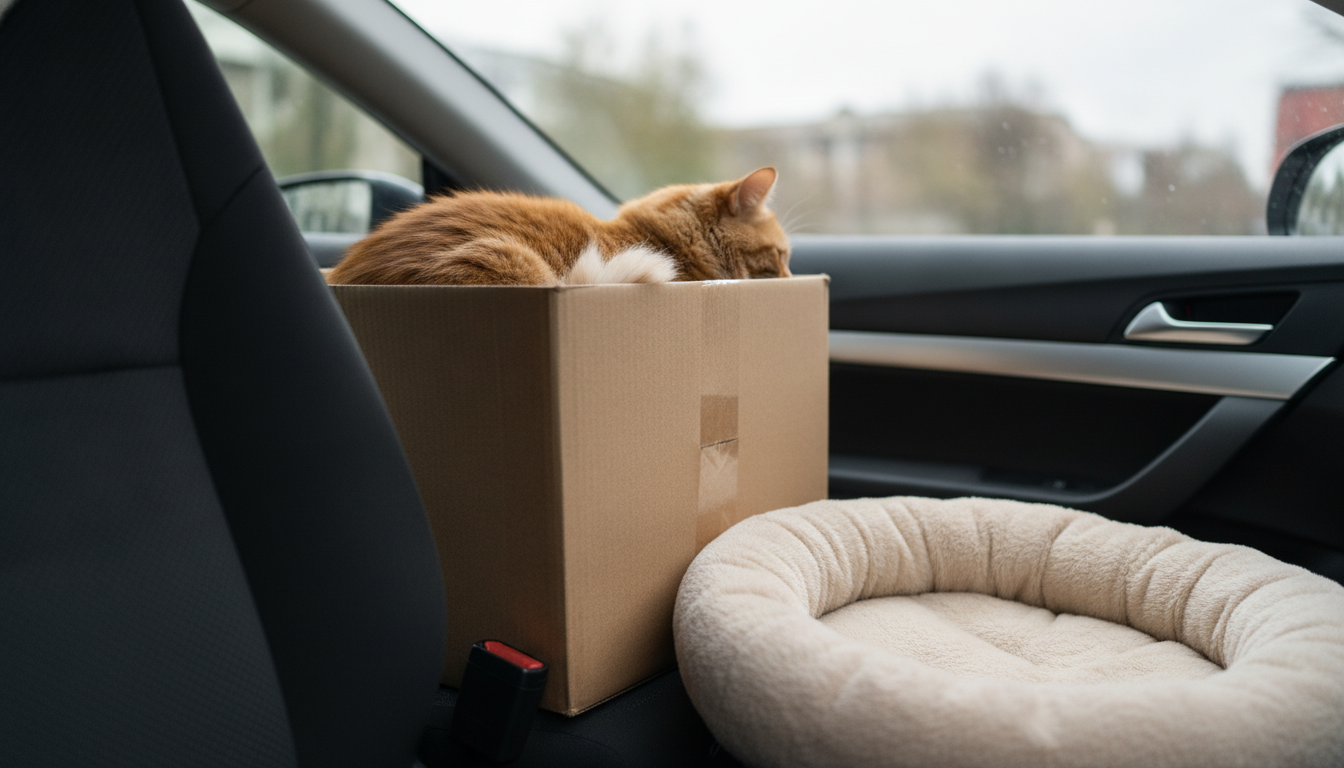
Why do cats prefer boxes over cat beds?
Cats often choose boxes over cat beds because boxes satisfy a mix of instinctive needs: safety, warmth, and a “just right” space that feels controllable. A snug cardboard box creates a protected nook with solid sides, which can make a cat feel less exposed than they might on an open, cushiony bed.
Another reason is predictability. Boxes don’t shift or wobble much, and the firm surfaces give cats stable footing when they turn, knead, or settle. Many beds are soft in ways humans find cozy, but some cats prefer a more structured surface that supports their body without sinking.
They feel safer in enclosed spaces
Cats are both hunters and potential prey, so having cover matters. A box offers “walls” on multiple sides and usually a single opening, which helps a cat monitor the room while keeping their back and sides protected. That sense of security can be especially important in busy homes, around visitors, or near other pets.
Boxes trap heat and reduce stress
Cardboard is a decent insulator, and a small box naturally holds body heat. Since many cats seek out warm spots, a box can quickly become a toasty micro-environment. Enclosed spaces can also be calming; when a cat feels overstimulated, retreating to a tight hideaway can lower stress and encourage rest.
The “perfect fit” matters
Cats frequently choose spaces that match their body size—small enough to feel snug, but big enough to curl up and turn around. Boxes come in countless shapes and sizes, so it’s easy for a cat to find a near-custom fit. Beds that are too large, too puffy, or too exposed may not offer the same snug feedback.
For more details on the science and behavior behind this habit—and tips for choosing cozy alternatives—visit https://operena.com/why-do-cats-prefer-boxes-over-cat-beds/.
FAQ
Why do cats like to sit in small spaces?
Small spaces provide cover, warmth, and a sense of control over their surroundings. When a space fits closely around their body, many cats relax faster and stay settled longer.







Leave a comment