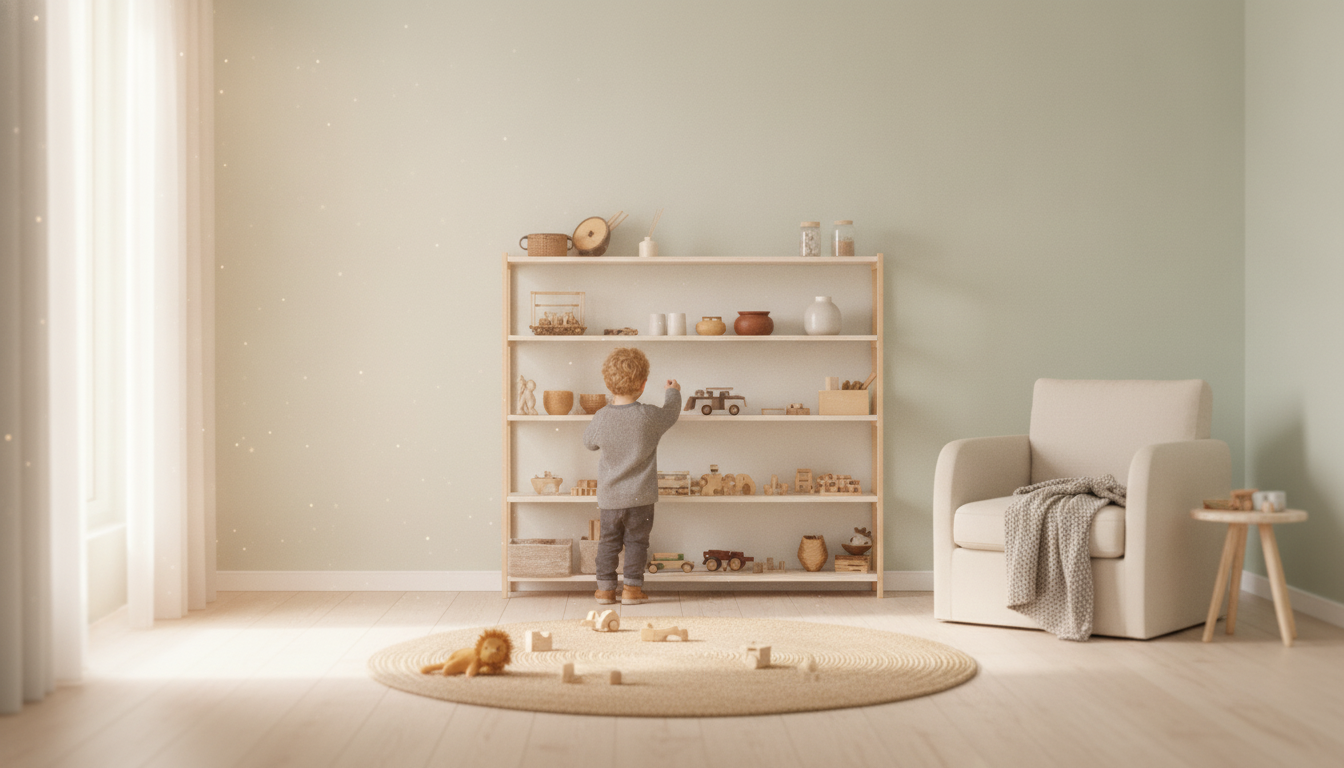
A messy room usually reflects a mismatch between what you need and how your space is set up—not a single “type” of person. Psychology often frames clutter as a byproduct of stress, limited time, executive-function overload (planning, starting, finishing), or shifting priorities. If your room feels chaotic, it can also feed back into your mood by adding visual “noise,” making it harder to relax or focus. Our team’s goal is to help you turn the space into something that supports how you actually live, even on busy days.
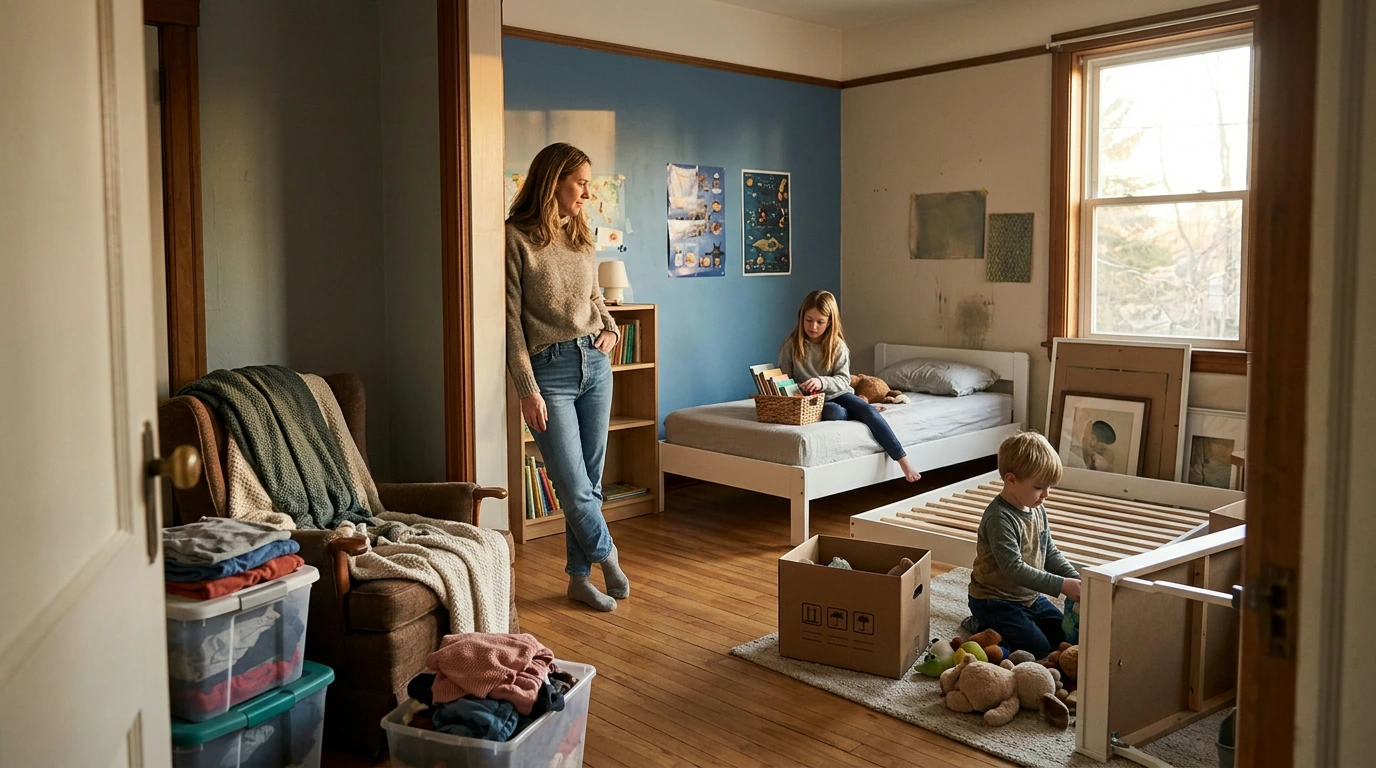
Sometimes clutter builds when you’re juggling school, work, caregiving, or big transitions. Instead of aiming for a perfect room, set up a “good-enough” system: a lidded hamper for laundry, one open bin for daily toss-ins, and a small tray for pocket items (keys, lip balm, earbuds). We also recommend choosing one surface—like your nightstand or desk—as your daily reset zone so you always have a clear spot to start from.
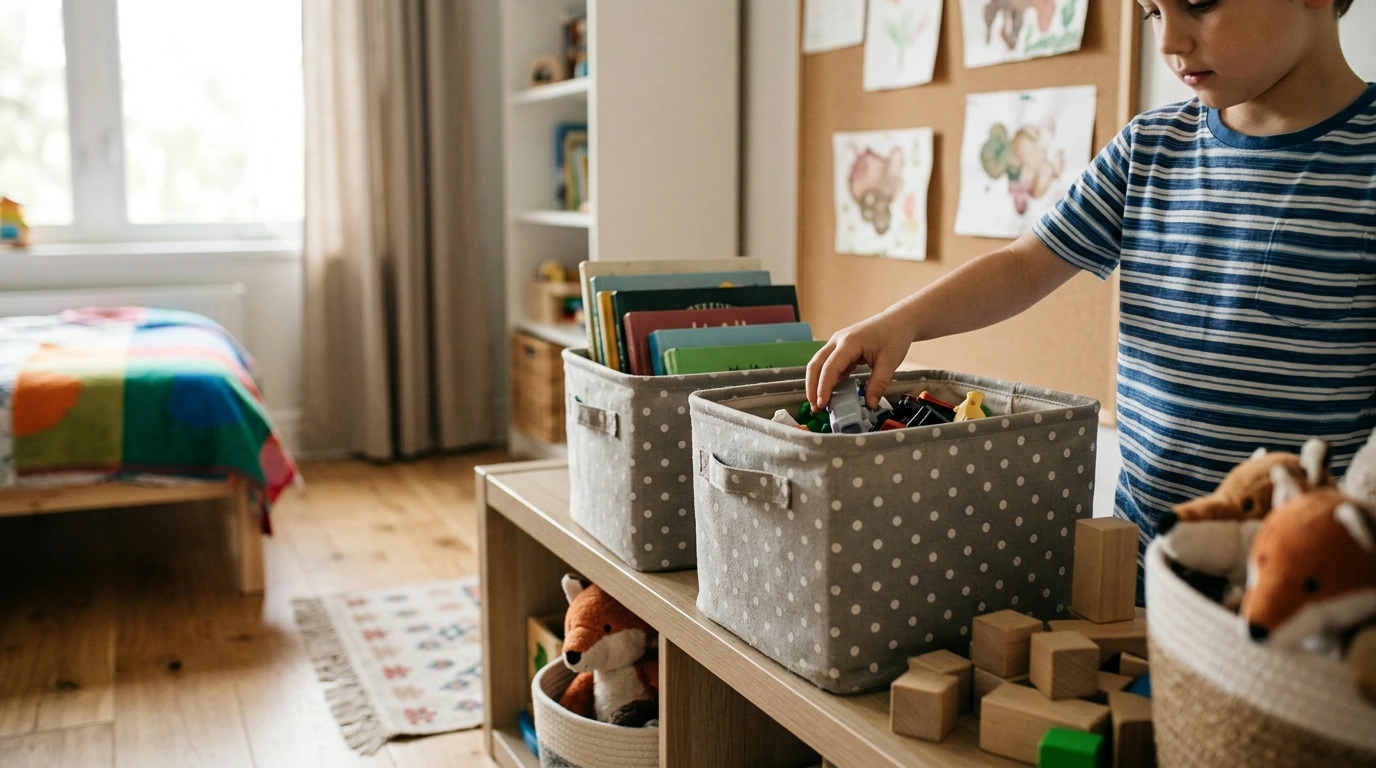
Mess isn’t always laziness; it can be decision fatigue. Too many categories, tiny drawers, or unclear homes for items can make putting things away feel like a dozen micro-decisions. You can reduce that load with simple, roomy storage: labeled bins by activity (school, sports, art), a “pending” basket for items that need action, and hooks at eye level for bags and jackets. If you’re setting up a kid’s room, a fast reset matters more than perfect sorting.
Quick wins beat marathon cleanups. Our favorite approach is a short reset you can repeat weekly—trash out, laundry contained, floors cleared, and surfaces wiped. Use a timer and stop when it rings. For a step-by-step checklist that works especially well for kids’ spaces, follow our plan here: kids’ room declutter checklist and 30-minute reset plan.
It often indicates overload—stress, fatigue, or too many tasks competing for your attention—rather than a fixed personality trait. Improving the “put-away path” with simpler storage can reduce the mental friction that keeps mess in place.
A messy room can correlate with different traits depending on your habits, from being highly absorbed in interests to struggling with routines. A flexible system (bins, hampers, hooks) supports both creative and structured styles without demanding perfection.
Intelligence doesn’t determine tidiness; time, priorities, and organization systems matter more. If your mind runs fast, setting up easy defaults—like one drop zone and one weekly reset—helps keep the space functional.









Leave a comment