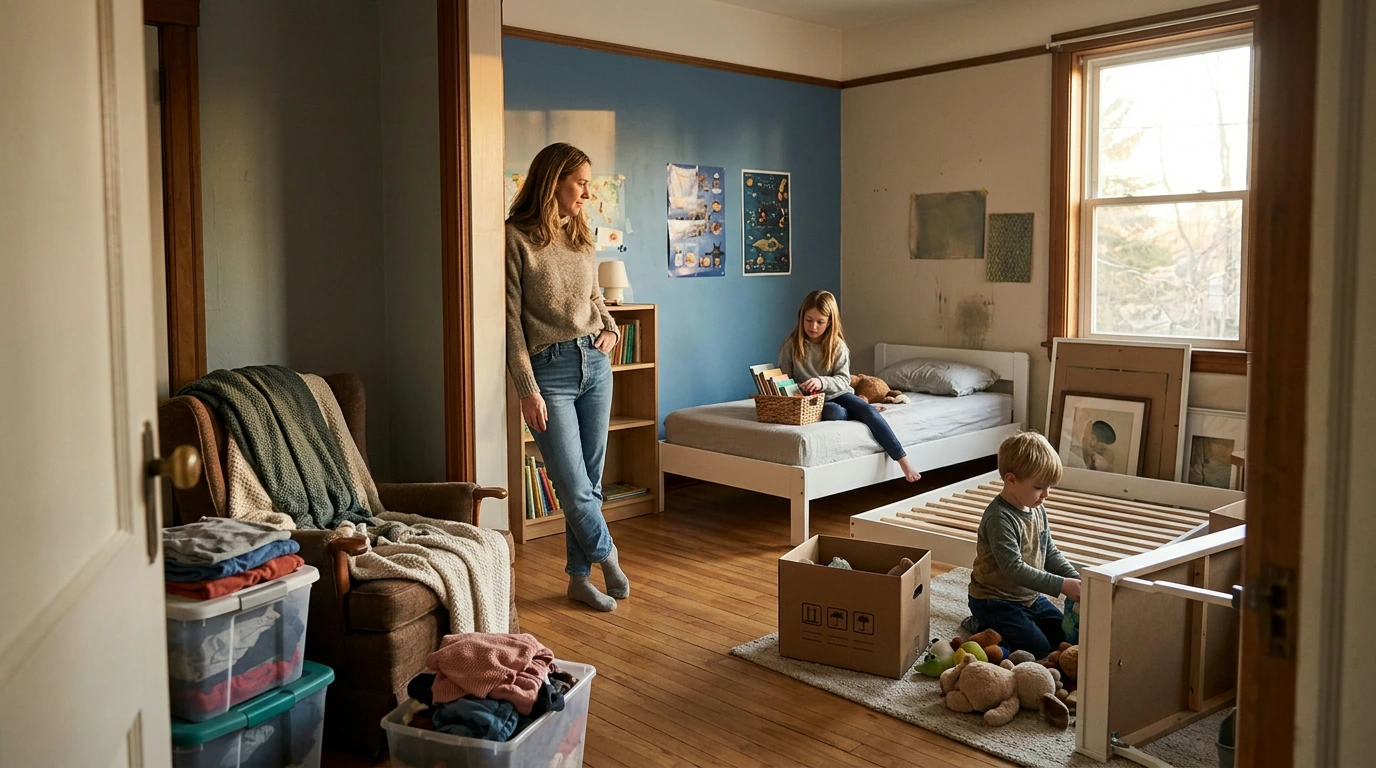
There isn’t one “right” birthday that signals it’s time to split siblings up. Most families make the change when a practical need shows up: different bedtimes, opposite sleep styles, privacy requests, or a big shift like starting school. Many kids do well sharing a room through early childhood, and plenty keep sharing longer when the setup is organized and each child has a clear personal zone.
A common window is around ages 6–10, when routines get more defined and kids start asking for more independence. Some families separate earlier if one child is a light sleeper or if naps conflict with an older sibling’s schedule. Others wait until preteen years, especially if the room is large enough to create boundaries.
Look for repeated sleep disruptions, constant conflict over belongings, or a child regularly seeking quiet space elsewhere. Privacy is another big signal—changing clothes, homework, and downtime feel different as kids grow. If one child’s needs are consistently overriding the other’s (noise, lighting, clutter), a split—or a better layout—can help.
Our team often recommends trying a room refresh before a full move. Use two distinct storage zones (separate dressers or bins), dedicated bedside caddies, and clear labels so each child can manage their own stuff. A bookshelf, curtain, or tall storage unit can act as a simple divider to give each kid a sense of ownership without remodeling.
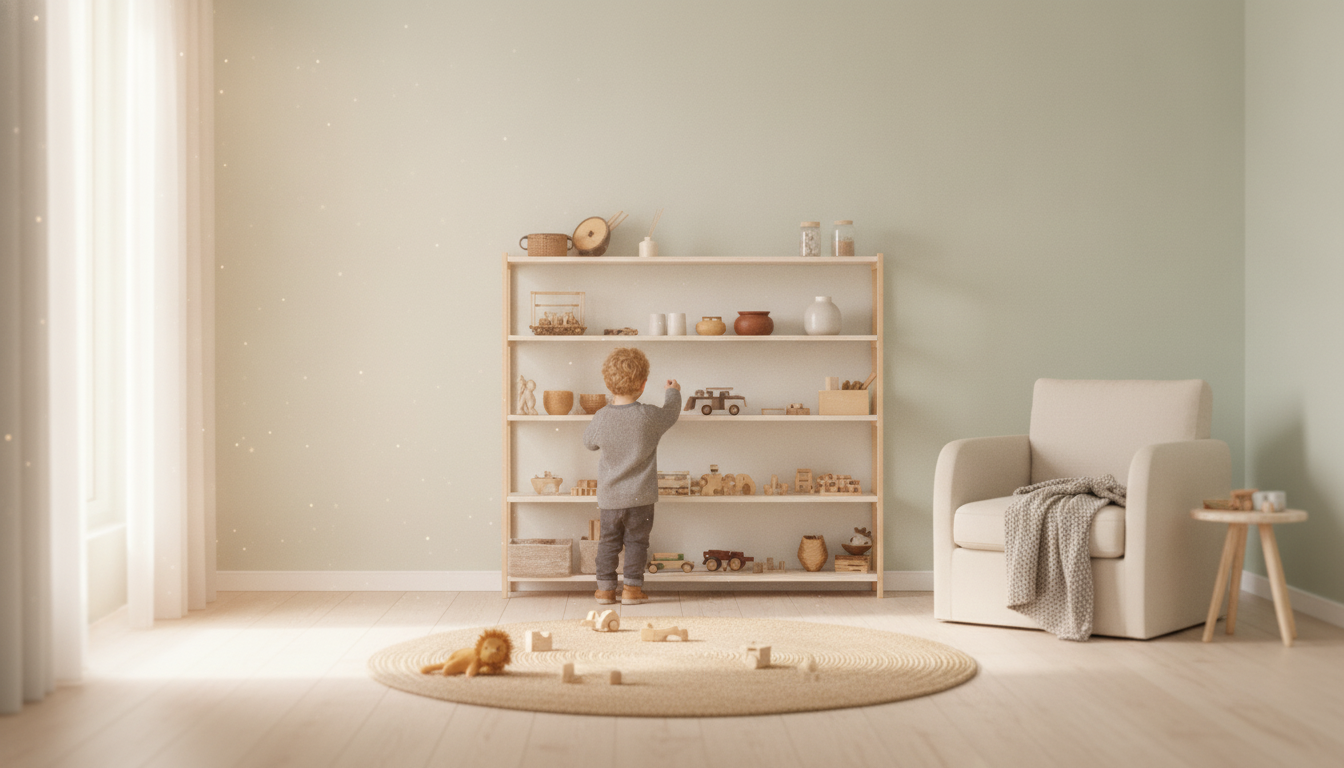
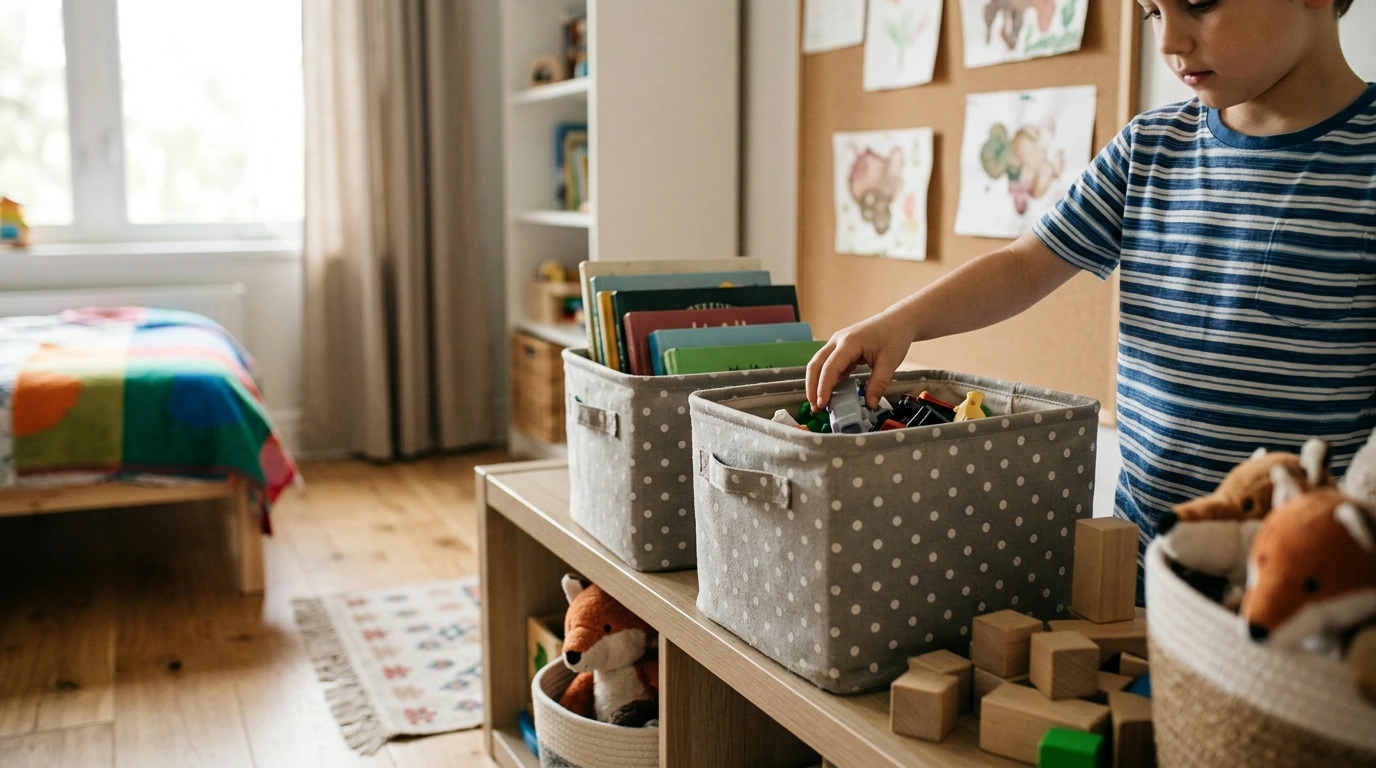
Choose low-profile organizers that keep the floor clear: under-bed bins for off-season clothes, stackable cubes for toys, and a shared “library” basket for books. For peace at bedtime, consider individual reading lights and separate laundry hampers to reduce daily friction. Rotating toys into lidded totes can also prevent one child’s mess from becoming everyone’s problem.
Before swapping rooms or moving furniture, do a fast reset so the new system starts clean. We keep a simple routine for this—grab-trash, return-donate, wipe, then re-home items by category. For a quick plan you can follow in one sitting, use our guide: Kids’ Room Declutter Checklist + 30-Minute Reset Plan.
Give each child the same amount of defined storage (a drawer set, a bin row, and a shelf) and set simple rules for shared zones. A labeled “mine” bin per child prevents daily arguments and makes cleanup faster.









Leave a comment