Fiddle Leaf Fig Under Grow Lights: What Works Best
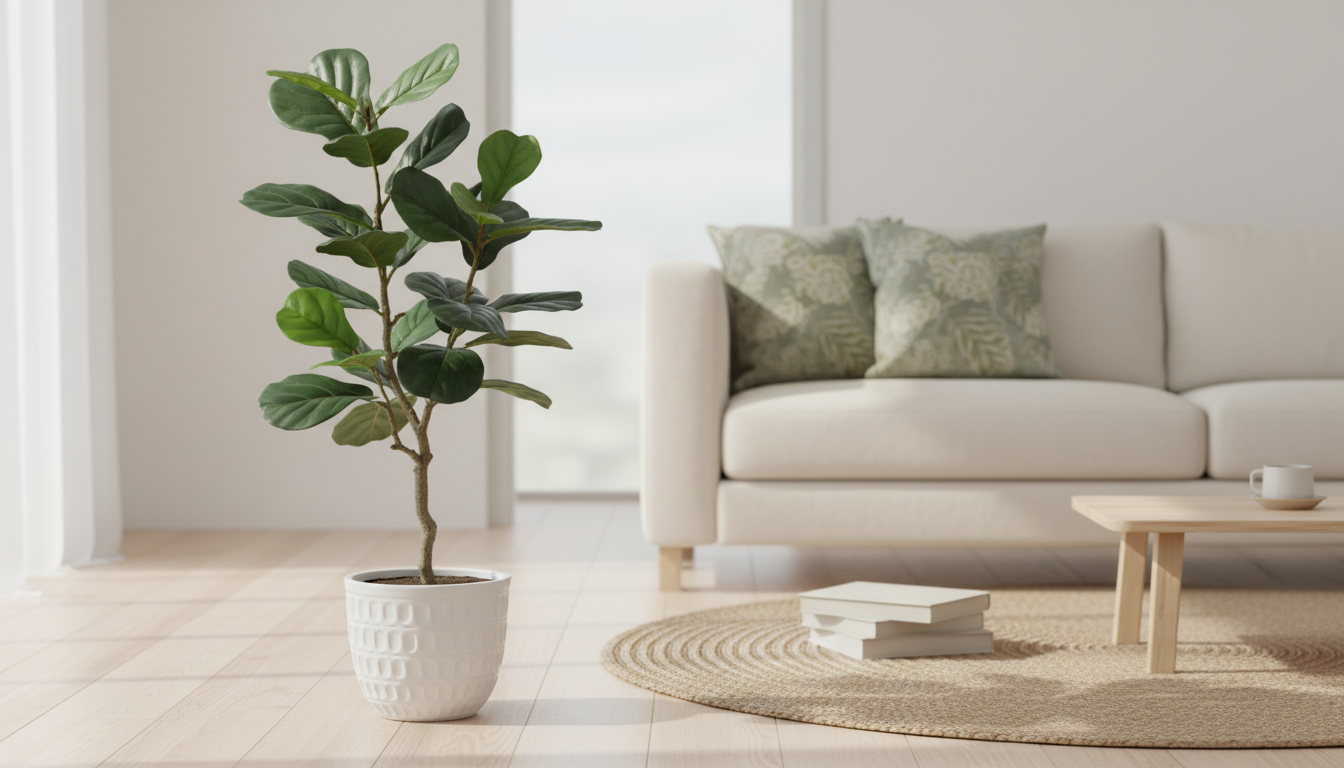
Do fiddle leaf figs like artificial light?
Fiddle leaf figs can do well under artificial light, but they don’t exactly “like” it the way they like bright, indirect natural light. Artificial lighting works best as a supplement or as a full-time light source only when it’s strong enough, close enough, and used for a long enough daily window. If the light is too weak or too far away, the plant may survive but often grows slowly, leans toward the bulb, or drops older leaves.
What kind of artificial light works best?
Full-spectrum LED grow lights are typically the most reliable option. They provide a balanced spectrum that supports leaf growth without the heat output of many older bulbs. Standard household lamps can help a little, but they’re rarely intense enough for a large-leaf plant like a fiddle leaf fig unless paired with a very bright, high-lumen bulb and placed close to the canopy.
How long should artificial light be on?
For a fiddle leaf fig using artificial light as the main source, aim for a consistent daily schedule, often around 10–12 hours. The goal is to mimic a bright day without running the light 24/7. A timer helps keep the routine steady, which reduces stress and discourages uneven growth.
How close should the light be?
Distance matters as much as bulb type. Many grow lights need to be relatively close to the top leaves to deliver useful intensity. If the plant is stretching, leaning, or producing smaller new leaves, the light is likely too far away or too dim. If leaves show bleaching or dry, crispy patches directly under the light, it may be too intense or too close.
Signs your fiddle leaf fig isn’t getting enough light
Common low-light signals include leggy stems, wider gaps between leaves, slow or stalled growth, and leaf drop—especially lower leaves. Rot can also become more likely because soil stays wet longer when a plant isn’t using much water. Balancing light with watering is key: brighter light generally supports more frequent watering, while low light calls for extra caution.
For detailed setup tips, bulb suggestions, and placement guidance, see the full guide here: https://operena.com/do-fiddle-leaf-figs-like-artificial-light/.
FAQ
How do you know if a fiddle leaf fig is getting too much light?
Look for pale, washed-out areas on leaves, scorched brown patches, or curling and crispy edges closest to the light source. Adjust by increasing distance, shortening the light duration, or diffusing the light.








Leave a comment