Highest Bass Speakers: What to Look For
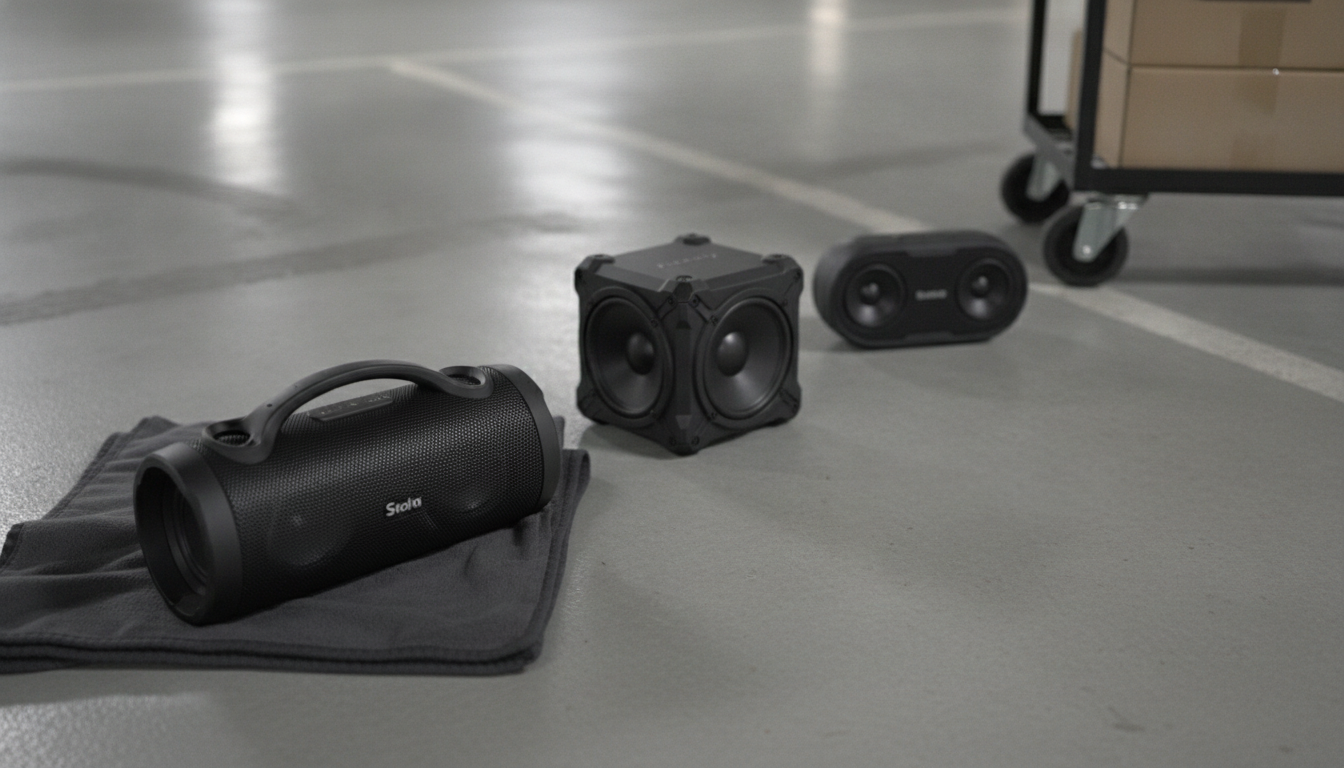
Which speaker has the highest bass?
The speaker with the highest bass is typically the one that can play the lowest frequencies loudly and cleanly without distorting. In practice, that usually means a larger speaker system (or a speaker paired with a dedicated subwoofer), a bigger driver size, a well-tuned enclosure, and enough amplifier power to control the woofer at high volume. Small portable speakers can sound “bassy” due to tuning tricks, but they rarely reach truly deep sub-bass.
How to tell which speaker will deliver the most bass
Look at frequency response (and how it’s measured)
If a brand publishes a low-end spec like 35Hz, 30Hz, or lower, that’s a strong clue—especially when the spec includes a tolerance (for example, “-3dB”). A vague claim without context can be optimistic, so compare brands carefully and prioritize real-world testing when available.
Driver size and cabinet volume matter
Bass takes air movement. Larger woofers (or multiple woofers) and bigger enclosures usually produce deeper, fuller bass with less strain. Compact speakers can boost mid-bass punch, but deep bass requires physical volume and driver excursion.
Subwoofer support is the easy shortcut
If “highest bass” means the deepest rumble and room-shaking impact, a system with a dedicated subwoofer is the most reliable path. A good sub handles the lowest frequencies so the main speakers can stay clean and dynamic.
Power and DSP tuning affect perceived bass
More wattage alone doesn’t guarantee better bass, but adequate amplification helps maintain control at low frequencies. DSP features (like bass boost, loudness, or room correction) can increase impact, though extreme boosting can cause distortion if the hardware can’t keep up.
For a deeper breakdown of bass performance factors and what to prioritize when shopping, see the full guide here: https://operena.com/which-speaker-has-the-highest-bass/.
FAQ
Do soundbars have good bass without a subwoofer?
Some do, but most soundbars rely on a separate subwoofer for truly deep bass. Without one, you’ll usually get strong mid-bass punch but less low-end rumble.










Leave a comment