Lighting Mood Guide: Layers, Color Temperature & Dimmers
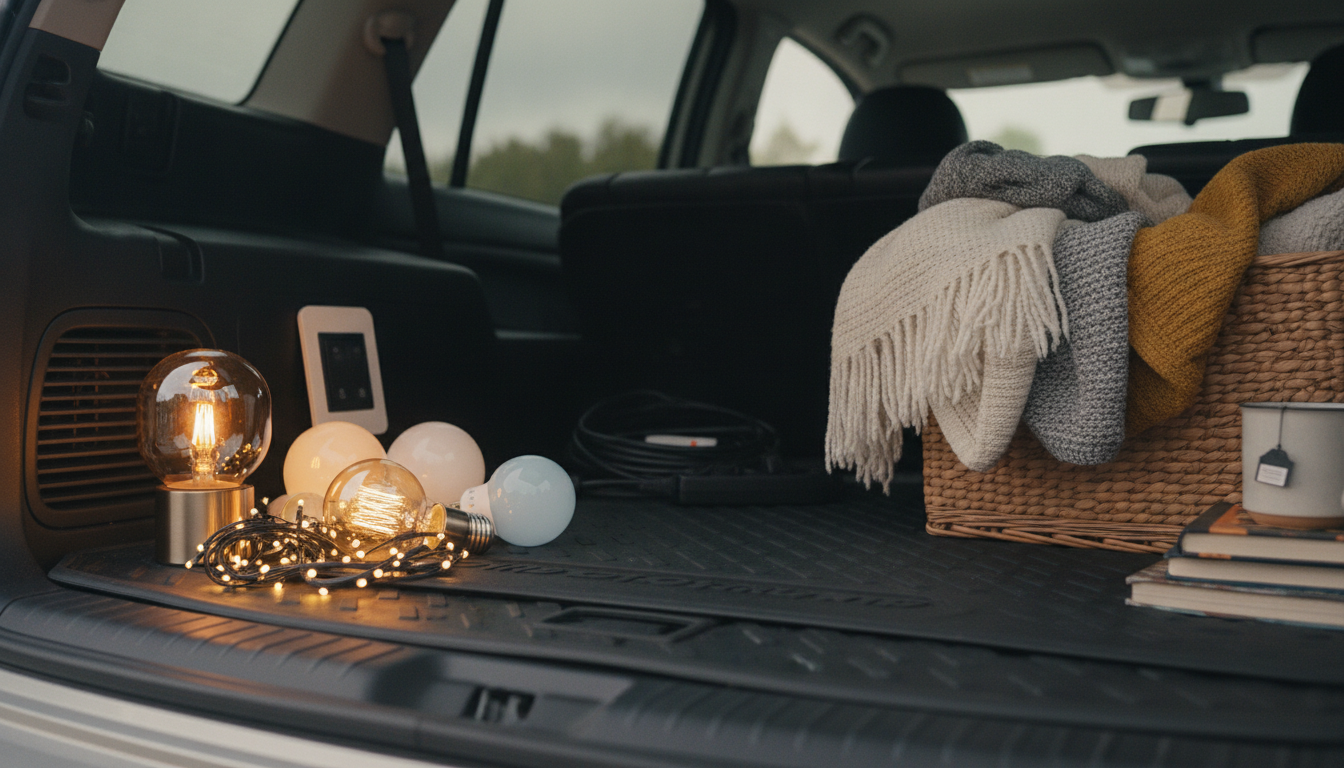
How to use lighting to create mood?
Lighting sets the emotional “temperature” of a room faster than almost any other design choice. The key is layering light, choosing the right color temperature, and controlling brightness so the space can shift from energetic to calm in seconds.
Start with layered lighting (not one overhead fixture)
Use three layers: ambient (overall illumination), task (focused light for activities), and accent (dramatic highlights). Ambient light can come from ceiling fixtures or recessed cans, task light from desk or under-cabinet lighting, and accent light from picture lights, wall sconces, or LED strips. Layering lets you create mood by turning some lights off and letting others take the lead.
Match color temperature to the feeling you want
Warm light (about 2700K–3000K) feels cozy and intimate, making it ideal for bedrooms, living rooms, and dining areas. Neutral light (around 3500K–4100K) feels clean and balanced, often working well in kitchens and baths. Cooler light (5000K+) can feel crisp and alert, better for garages, laundry rooms, or detail-oriented workspaces.
Use dimmers and smart controls for instant mood shifts
Dimmers are one of the simplest upgrades for ambiance: lowering brightness reduces visual “noise” and makes spaces feel softer. Smart bulbs and switches add preset scenes (Movie Night, Dinner, Focus) so you can change multiple lights at once without adjusting each fixture.
Add contrast with accent lighting
Accent light creates mood by introducing shadows and focal points. Aim a small lamp toward a textured wall, highlight art, or run LED tape behind a headboard or TV for a gentle glow. A little contrast feels intentional and relaxing compared to flat, evenly-lit rooms.
For more practical examples and room-by-room tips, visit https://operena.com/how-to-use-lighting-to-create-mood/.
For Lighting Mood Guide: Layers, Color Temperature & Dimmers, the best answer depends on fit, material, care instructions, and how the product will be used day to day.
FAQ
What color temperature is best for relaxing spaces?
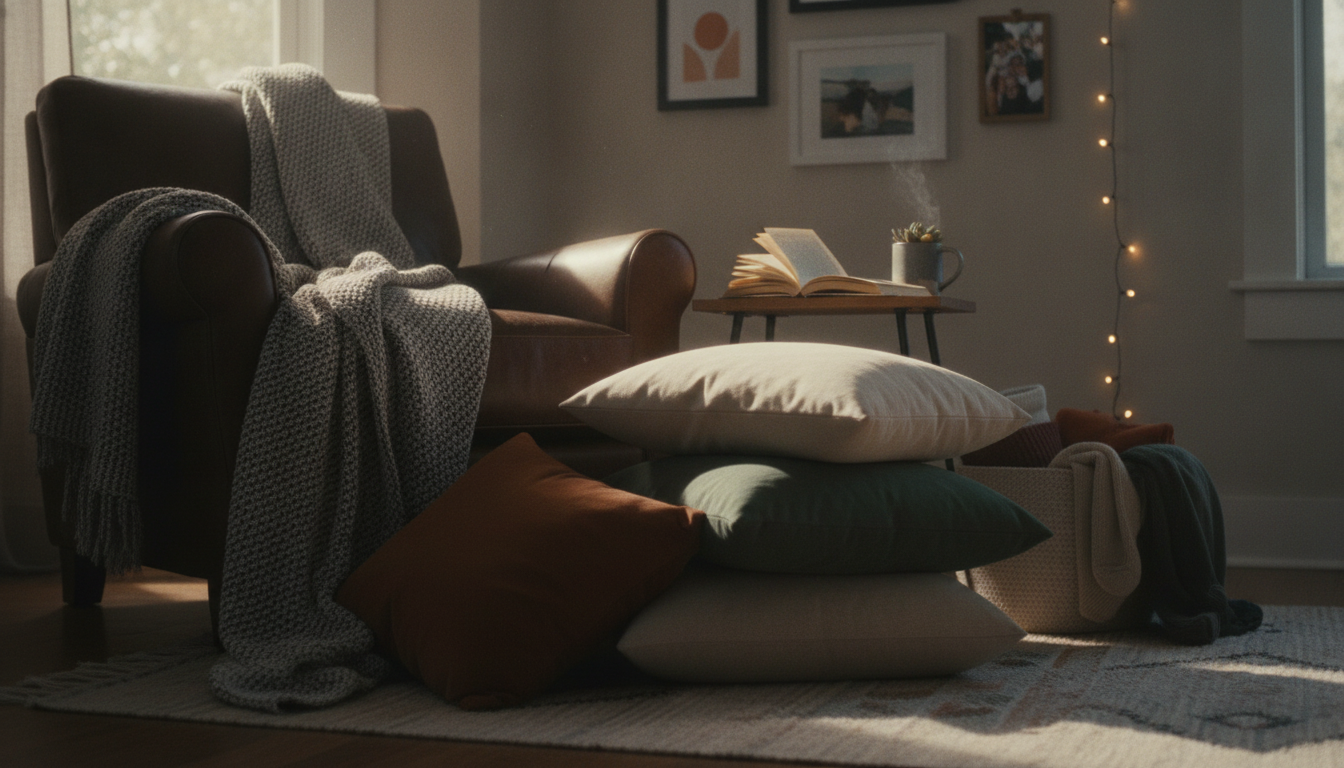
Warm white light in the 2700K–3000K range usually feels most relaxing. Pair it with dimming so you can soften the space further in the evening.








Leave a comment