Cordless Vacuum Suction: Highest kPa Explained
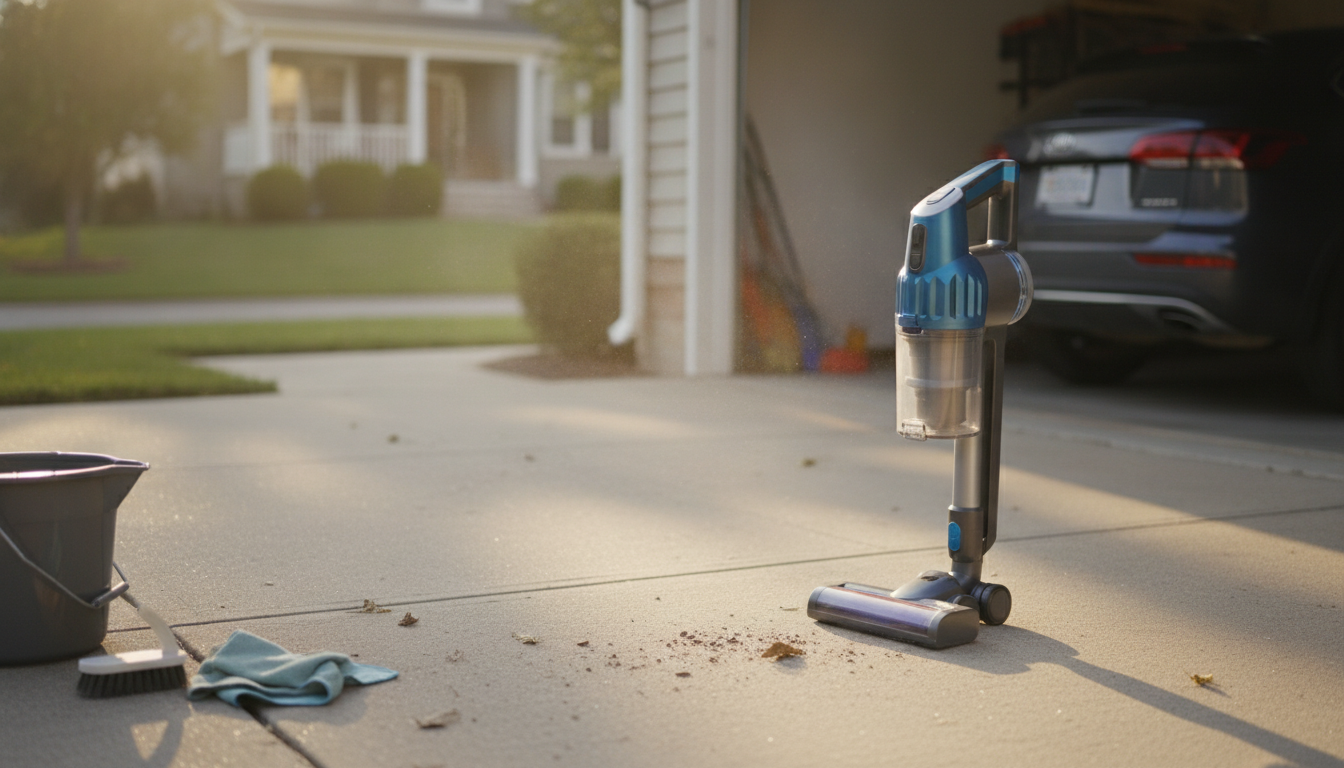
What is the highest kPa for a cordless vacuum cleaner?
The highest kPa (kilopascals) you’ll typically see on a cordless vacuum cleaner today is around 30–45 kPa, with a handful of flagship models advertising numbers in the upper end of that range under specific test conditions. As a practical shopping benchmark, anything at or above roughly 25–30 kPa is considered “high suction” for cordless cleaning, especially for carpets, pet hair, and debris lodged in rugs.
kPa measures sealed suction (how strongly the vacuum can pull when airflow is restricted). That makes it useful for comparing raw pulling power, but it doesn’t tell the whole story. Real-world pickup also depends on airflow (often measured in CFM), the brush roll design, nozzle sealing, filtration resistance, and how well the vacuum maintains performance as the bin fills.
Why the “highest kPa” number can be misleading
Manufacturers may quote peak suction in a Max/Turbo mode, sometimes with a specific configuration (certain attachments, clean filters, empty bin, fully charged battery). That top number can drop quickly when switching to an auto/standard mode designed for longer runtime. For everyday use, it’s smart to check how the vacuum performs on normal power, not just its maximum rating.
What to look for besides kPa
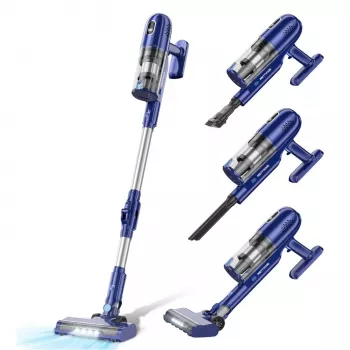
If you’re comparing cordless vacuums, consider whether the unit provides strong carpet agitation, a well-sealed head, and consistent suction over the course of a cleaning session. Battery capacity, bin size, and filter upkeep matter too—clogged filters and narrow air paths can reduce pickup even if the spec sheet looks impressive.
For a deeper breakdown of top-end suction ranges and what they mean for cleaning performance, see the full guide here: https://operena.com/what-is-the-highest-kpa-for-a-cordless-vacuum-cleaner/.
For Cordless Vacuum Suction: Highest kPa Explained, the best answer depends on fit, material, care instructions, and how the product will be used day to day.
FAQ
Is higher kPa always better for a cordless vacuum?
Not always. Higher kPa can help with embedded debris, but airflow, brush design, and head sealing often make a bigger difference in everyday pickup.







Leave a comment