Pet Odor Gone: Enzymes, Deep Cleaning & HEPA Air
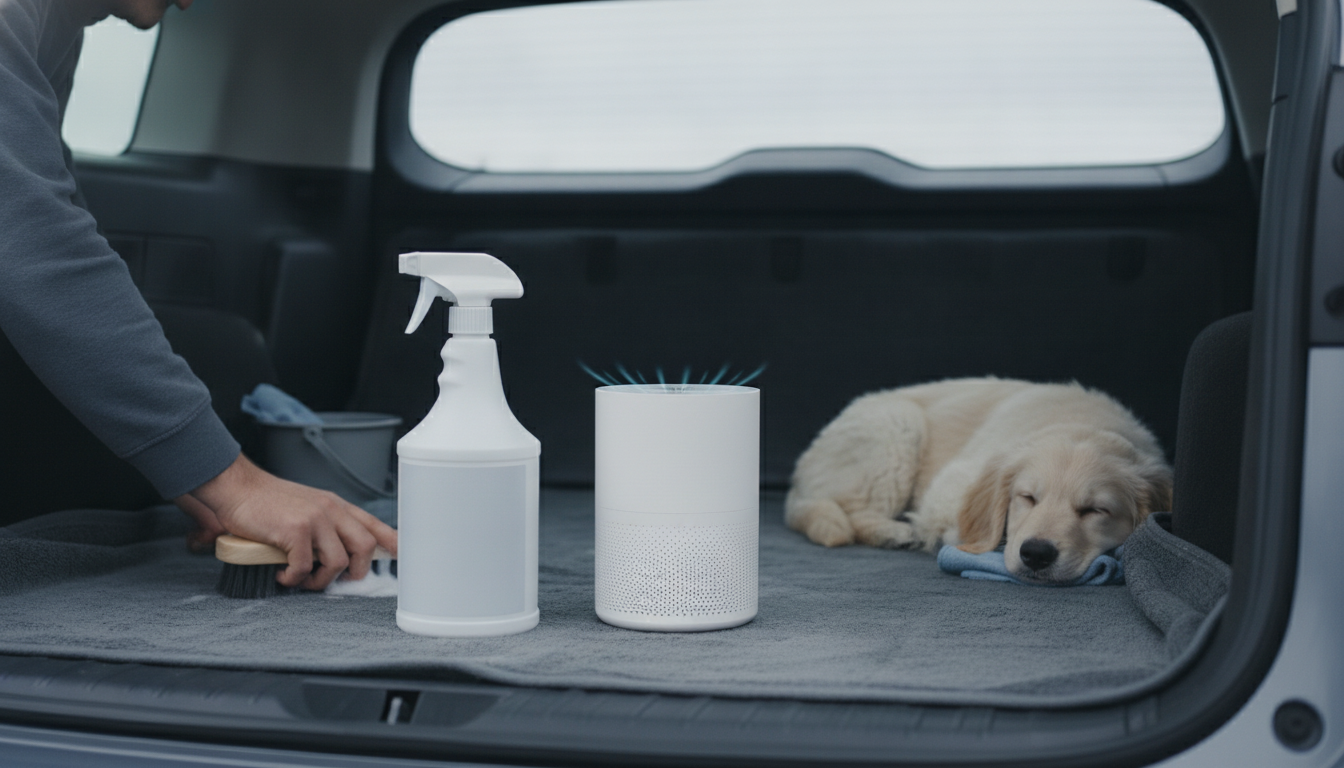
What kills pet odor in a house?
Pet odor usually lingers because oils, urine salts, dander, and bacteria get embedded in soft surfaces and trapped in the air. The most reliable way to kill (not just cover) pet smells is a combo of targeted enzymatic cleaners for biological messes, thorough washing of fabrics, and ongoing air and surface filtration.
Use enzymatic cleaners on urine, vomit, and other “bio” spots
Enzyme-based cleaners break down the proteins and uric acid crystals that keep odors coming back. Saturate the area (including carpet pad if needed), allow the dwell time listed on the label, then blot and let it fully dry. Avoid mixing with bleach or vinegar at the same time, since that can reduce enzyme effectiveness.
Remove odor reservoirs: fabrics, floors, and hidden corners
Wash removable fabrics (blankets, slipcovers, curtains) with a pet-safe detergent; add an oxygen bleach booster when the fabric allows. For hard floors, use an enzymatic floor cleaner and get into baseboards and grout lines where oils collect. If a spot repeatedly smells after cleaning, it may have soaked into underlayment and needs deeper treatment or replacement.
Clean the air: HEPA + activated carbon works best
A vacuum with a sealed HEPA system reduces dander, while an air purifier with activated carbon helps capture odor-causing gases. Change HVAC filters regularly (look for higher MERV ratings compatible with your system) and keep airflow moving with fans and open windows when weather permits.
Skip “masking” sprays and use deodorizing powders wisely
Fragrance sprays can temporarily hide smells but rarely fix the source. Baking soda can help on dry surfaces, but it won’t neutralize urine embedded below the surface. For persistent issues, a pet-safe enzymatic approach plus improved ventilation usually delivers faster, longer-lasting results.
For a deeper step-by-step approach and product guidance, visit https://operena.com/what-kills-pet-odor-in-a-house/.
FAQ
How do I get rid of pet odor without using harsh chemicals?
Use enzyme-based cleaners for accidents, wash fabrics in hot water when safe, and run a HEPA + activated carbon air purifier. Ventilate daily and vacuum with a sealed HEPA vacuum to keep dander and odor particles from building up.










Leave a comment