Safe Wooden Coffee Maker Play Set: Paint, Edges & Parts
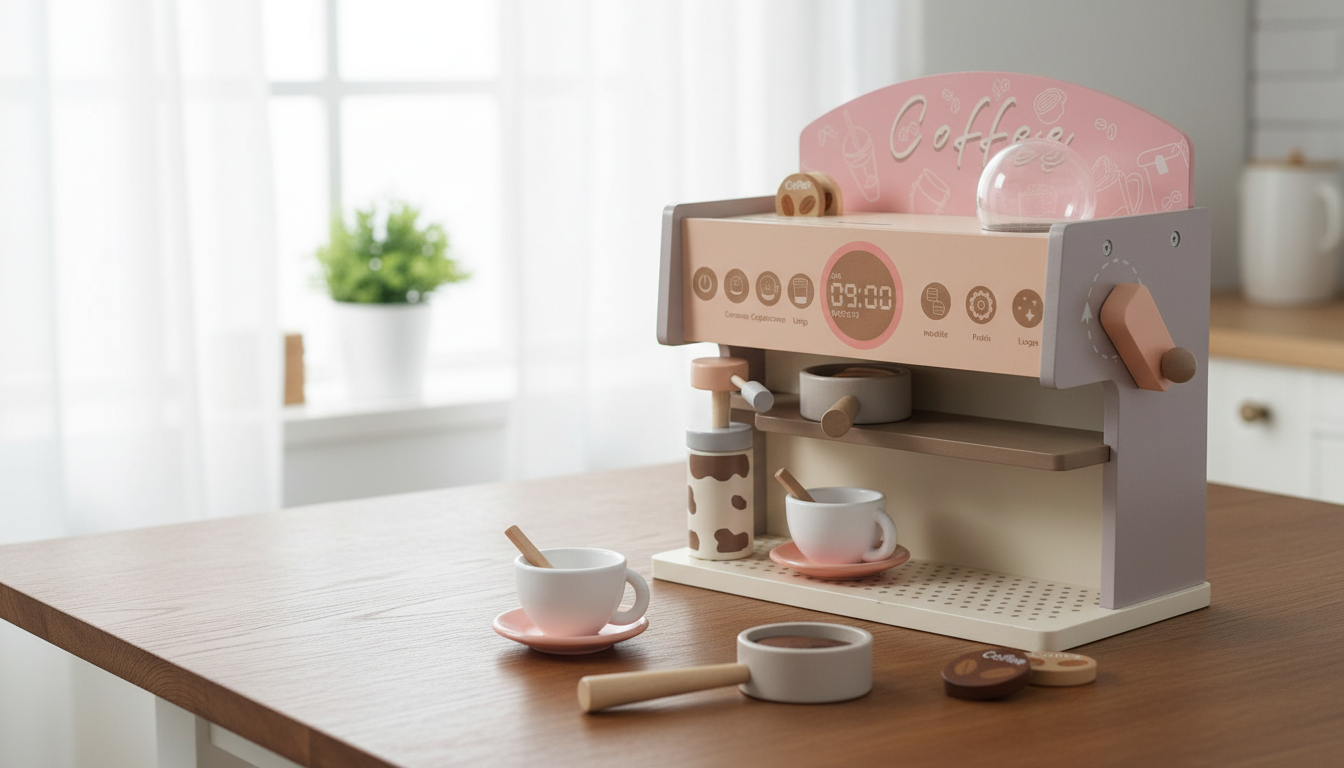
What should I look for in a safe wooden coffee maker play set (paint, edges, parts)?
A wooden coffee maker play set can be a fun, screen-free toy, but safety comes down to details you can check quickly: the finish, how the wood is cut and sanded, and whether any small pieces could come loose. Before buying, scan the product listing (and the toy itself, if possible) with a “hands-on” mindset—run fingers along edges, tug lightly on attachments, and look closely at seams and holes.
Paint and finishes: what “safe” should mean
Choose sets labeled as non-toxic and compliant with U.S. toy safety standards (such as ASTM F963). Water-based paints and clear coats are common on quality wooden toys; they should look even, feel smooth, and not have a strong chemical odor. Avoid finishes that appear to flake, chip, or rub off easily, since peeling paint can create both ingestion and splinter risks.
Edges, sanding, and splinter prevention
Well-made wooden play sets have rounded corners and consistently smooth surfaces. Check high-contact areas—handle cutouts, “cup” rims, spouts, and the sides of buttons—because these are where roughness shows up first. If you feel sharp transitions, raised grain, or tiny splinters, pass on it or consider a different brand. Even a small rough patch can scratch skin during repeated play.
Parts and construction: size, strength, and choking hazards
Look for sturdy joinery and pieces that don’t rely on weak glue blobs or thin pegs. Give knobs, dials, and decorative elements a gentle pull and twist; they should not wiggle or detach. For younger kids, minimize tiny accessories (like individual coffee pods, sugar cubes, or coins) and prioritize larger, easy-to-grip pieces. Also confirm there are no exposed magnets, loose metal fasteners, or long cords that could pose hazards.
For a deeper checklist and buying tips, visit the complete guide here.
FAQ
How do I clean and maintain a wooden play coffee maker?
Wipe it with a slightly damp cloth and mild soap, then dry immediately. Avoid soaking or harsh cleaners, since moisture can warp wood and degrade finishes over time.












Leave a comment